Gartner put a number to what hiring teams already sense. By 2028, 1 in 4 enterprise job candidates will be AI-generated. That is not a future problem. In most active pipelines today, it is already the operating reality.
Resumes lie. They always have. But AI turned resume embellishment into an industrial-scale operation. Candidates now generate keyword-perfect, ATS-optimized profiles in minutes using tools that cost nothing. The resume mirrors the job description with surgical precision because a machine built it to do exactly that. The ATS scores it highly for the same reason: it reads text. It does not verify truth.
Forbes documented the rise in resume misrepresentation tied directly to generative AI adoption, with studies showing a near-majority of active job seekers embellishing or fabricating experience on their applications. The Guardian covered how AI resume builders allow candidates to construct polished, role-specific profiles without any of the underlying experience those profiles claim. BBC’s reporting on North Korean IT operatives who secured jobs inside US companies using AI-generated candidate profiles, fabricated employment histories, and stolen identities confirmed what hiring teams were already starting to feel in their pipelines: candidate fraud is not fringe behavior anymore. It is organized, scaled, and effective.
Amazon confirmed blocking over 1,800 suspected North Korean applicants across a 20-month window. KnowBe4 publicly disclosed it had hired one before the fraud surfaced. The ATS had flagged that candidate as an excellent match.
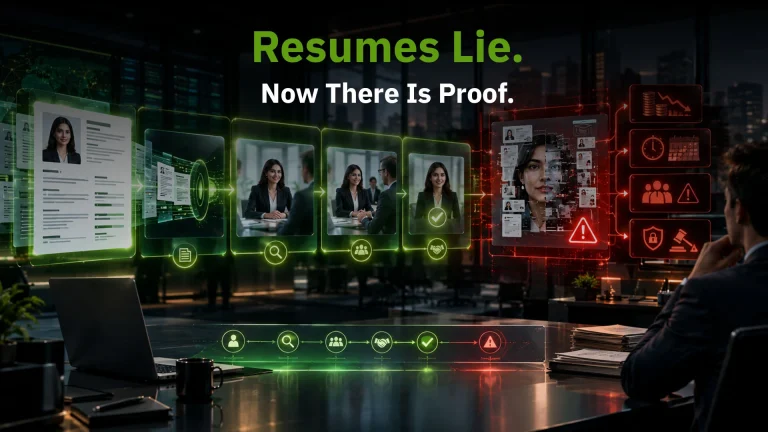
The interview does not catch this. The ATS does not catch this. The background check arrives too late.
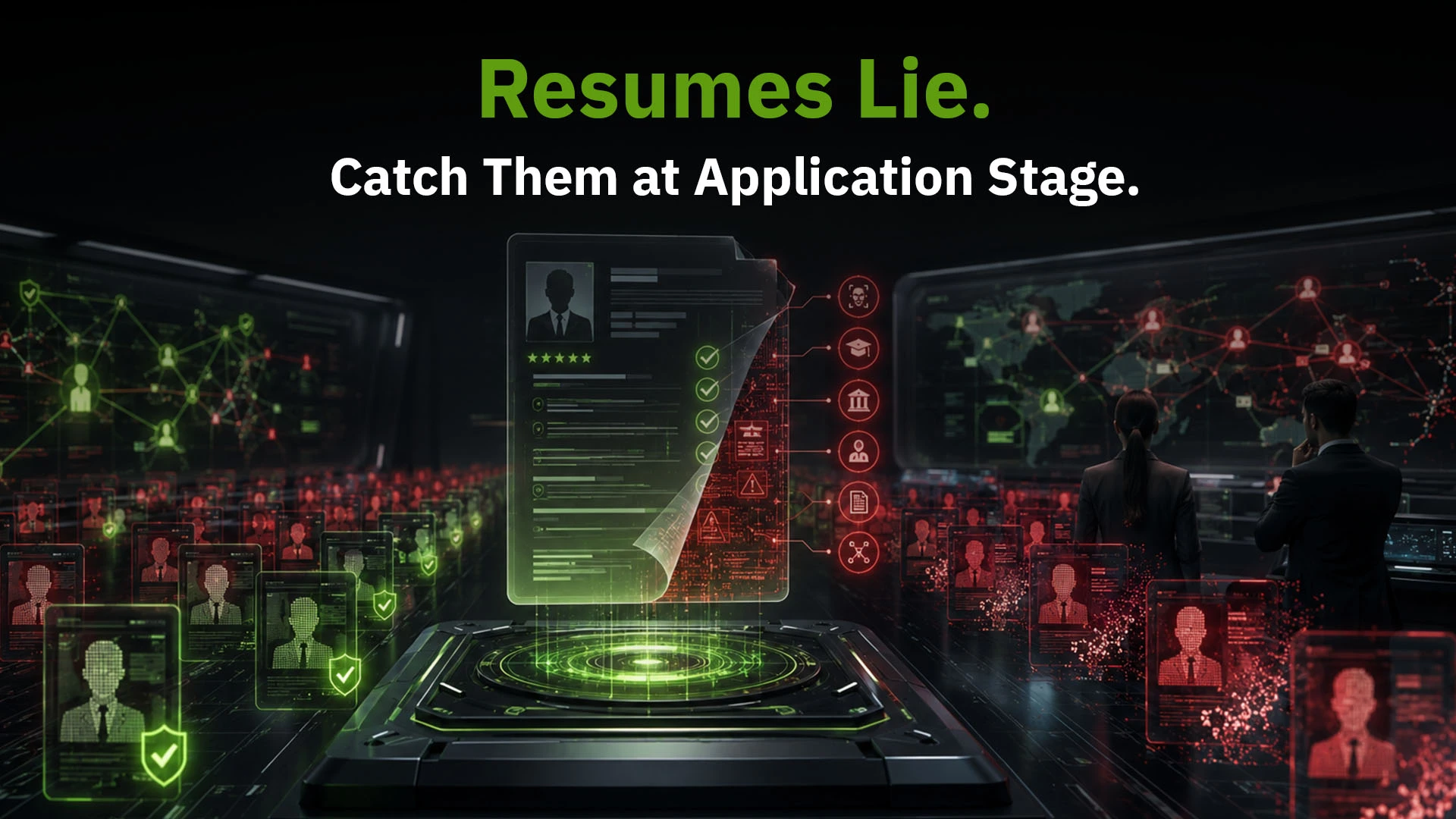
This is the problem Octagnt solves at the application stage, before any unverified candidate reaches a human decision-maker.
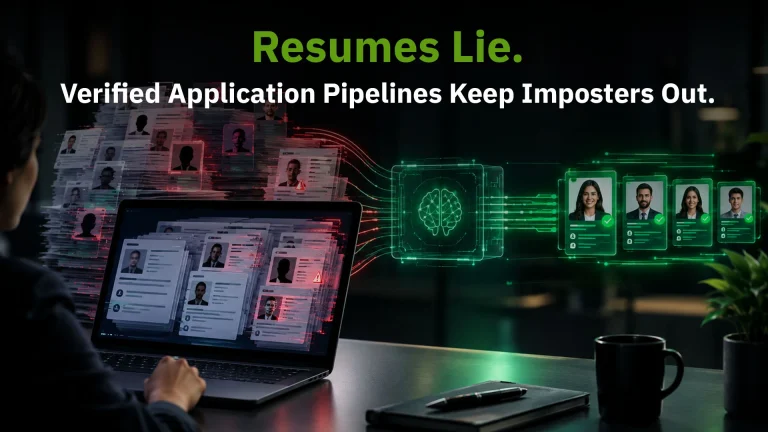
Every applicant runs through Octagnt’s 21-agent intelligence layer. The system validates emails, phone numbers, employment history, and digital footprints. It evaluates 106 forensic data points across 9 dimensions. It flags AI-generated content patterns, role inflation, suspicious career timelines, and identity inconsistencies. A tamper-proof audit trail records every signal behind every decision.
Hiring teams receive a verified, ranked, decision-ready shortlist in under 24 hours.
The bottleneck in hiring is not sourcing. It is trust. Octagnt restores it.
Try a Live Role for Free Now