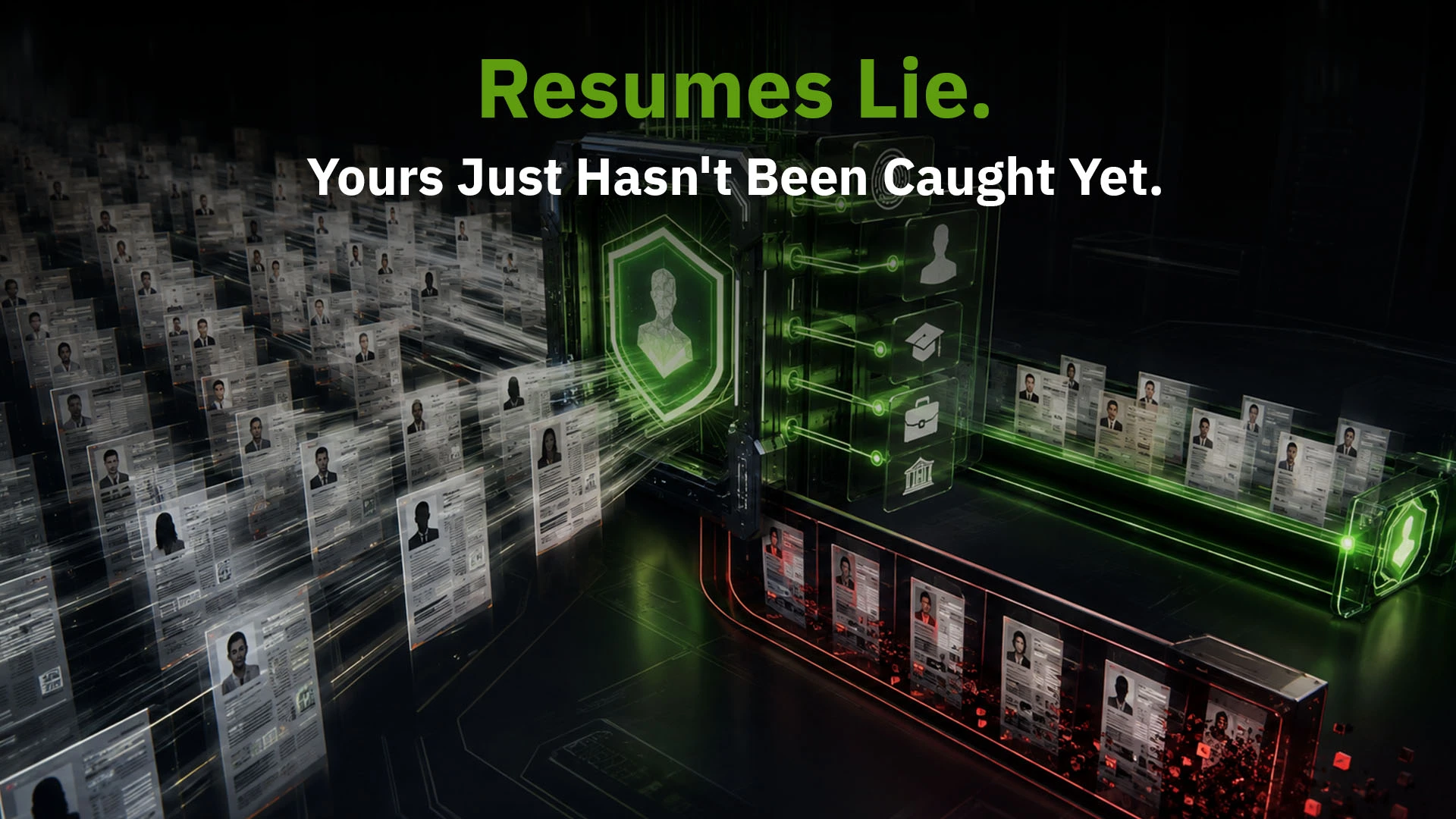
1 in 4 resumes landing in your inbox by 2028 might belong to someone who does not exist.
That is not a scare tactic. That is Gartner, on the record, predicting that one in four candidate profiles worldwide will be fake within a few years. And the runway to get there is already paved. Nearly 40% of applicants now use AI somewhere in their application, 6% have admitted to interview fraud where a stand in shows up on their behalf, and Forbes reports 72% of candidates admit to lying on their resumes outright.
Meanwhile the job market flipped. Roles shrank, headcount tightened, budgets got squeezed, and every posting now pulls in a flood of applicants competing for far fewer seats than they did two years ago. Recruiters cannot manually chase down every claim anymore, not at this volume. There simply is not enough time in the day, and the number of applications keeps climbing every single quarter.
Then add the identity layer. The BBC traced how North Korea runs a secret IT worker program, sending operatives abroad who borrow stolen identities from real people across the UK and Europe, apply to remote jobs under those names, and quietly funnel earnings back to the regime. Some companies in the US unknowingly hired dozens of these workers before anyone on the team noticed a single red flag.
Resumes lie, and they lie in layers now. Resume fraud, resume embellishment, and candidate fraud used to mean a stretched job title here or there. Resume misrepresentation now includes people who were never who they said they were at all.
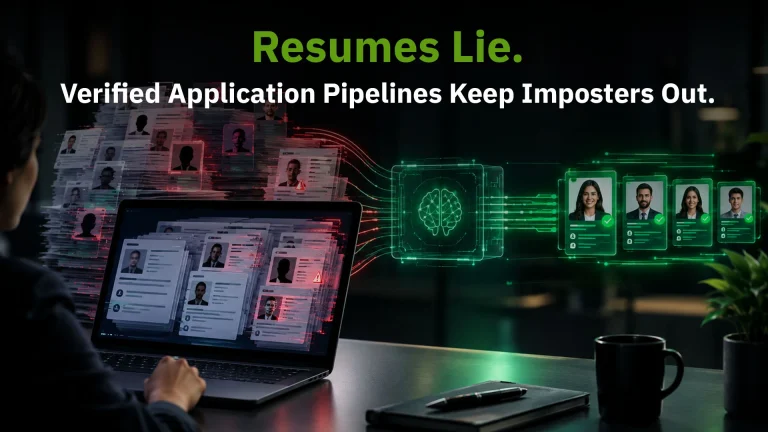
Octagnt catches candidate fraud at the application stage. Octagnt verifies candidates first, confirming a real, reachable human with a work history that checks out is actually behind the application. Octagnt validates candidates, running every resume claim through over a 100 data points to see what genuinely holds.
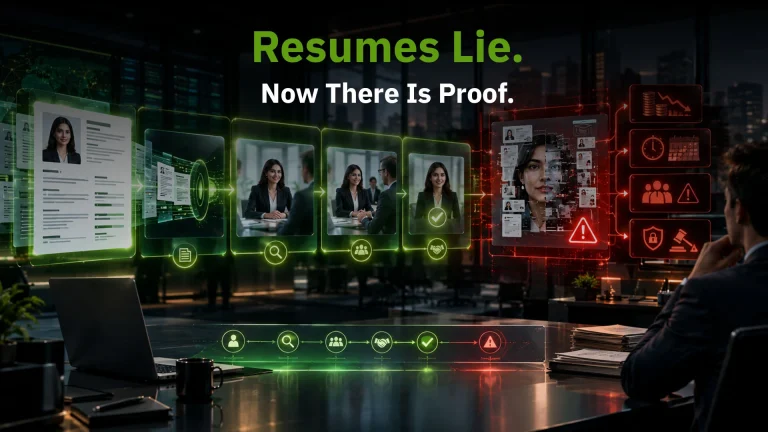
Octagnt proves who is real before a submission is ever made, and that changes everything downstream.
Try a Live Role for Free Now