Congratulations on finding the absolute perfect remote developer on paper. Too bad they are currently running a second monitor where a real-time generative script feeds them answers during your live technical interview.
This is not a hypothetical. A recruiter ran a two-week screening process on a candidate earlier this year. Clean resume. Strong technical scores. Coached references. The hire got approved. By week three on the job, the security team started asking questions. The experience on the resume did not match anything the person could actually demonstrate. The references all traced back to a single phone number. Every credential had been fabricated from start to finish.
The BBC covered this exact pattern across multiple US companies in 2026. The Guardian ran an investigation showing resume fraud now costs businesses billions annually. Forbes documented confirmed cases of North Korean state-sponsored IT workers securing remote tech roles at US companies using entirely fabricated digital identities, none of which triggered anything during standard screening.
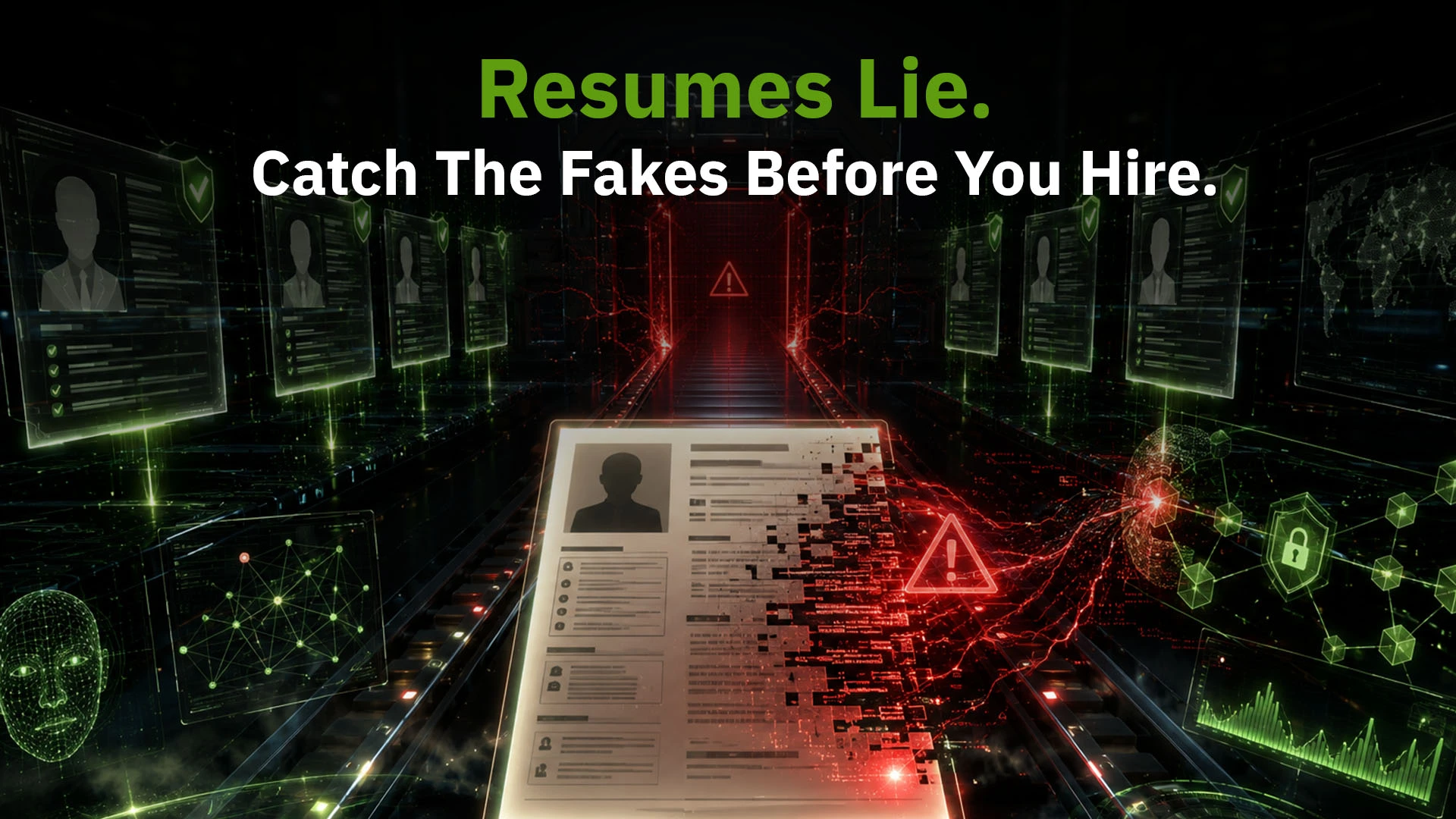
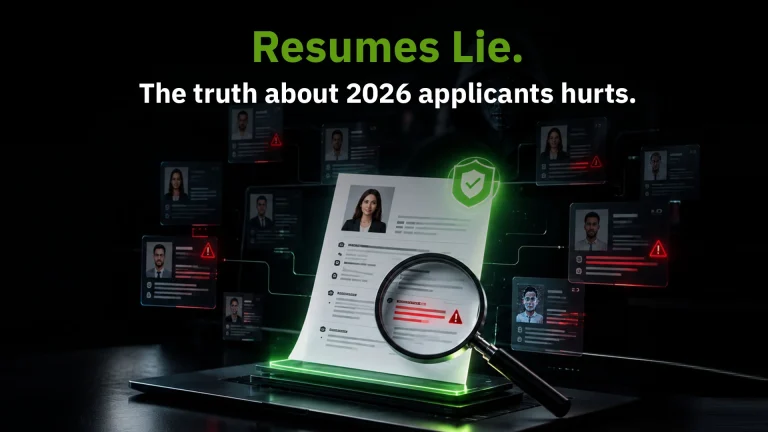
Resumes lie. In 2026, that is not a provocative take. That is just the reality recruiters are operating in.
Gartner projects that 1 in 4 job candidates will present fraudulent credentials or AI-generated application materials by 2028. The old screening playbook, Google searches, manual profile checks, reference calls on numbers the candidate themselves provided, was never built for this. It does not catch what it needs to catch. It never really did.
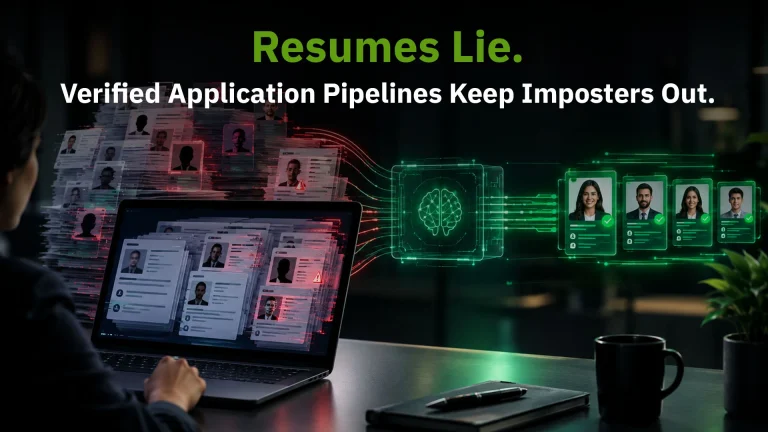
Octagntproves who is real. It stops fraud at the top of the funnel before a recruiter burns a single hour on a bad profile.
How Octagnt Verifies: Every candidate goes through automated live-source validation before a recruiter sees the name. Email addresses, phone numbers, employment history claims, and credential signals all get checked against real data. Fake applicants and ghost profiles get filtered out before human contact ever happens.
How Octagnt Validates: Candidates who clear verification move into a 21-agent intelligence pipeline that evaluates each profile across 106 data points covering skills depth, experience quality, role fit, career trajectory, and behavioral risk signals. The output is a structured assessment packet sealed with a SHA-256 immutable audit hash.
Recruiters are great at finding talent. They should not have to be fraud investigators on top of that.
Try a Live Role for Free Now