A recruiting team spends two weeks on a search. They surface a standout candidate. Strong background, great pedigree, glowing references listed right there on the document. The client loves the profile on paper. The shortlist goes to the client. Everyone is excited.
Day one of onboarding, something feels off. By day three, the company figures out the employment history was largely fabricated. The references were fake contacts. The certifications never existed.
Total damage: over $120,000 in salary, onboarding cost, and lost time. Six weeks of the search, gone. The client relationship, permanently damaged.
This is what happens when client expectations meet an unverified shortlist. The tolerance for these errors is gone.
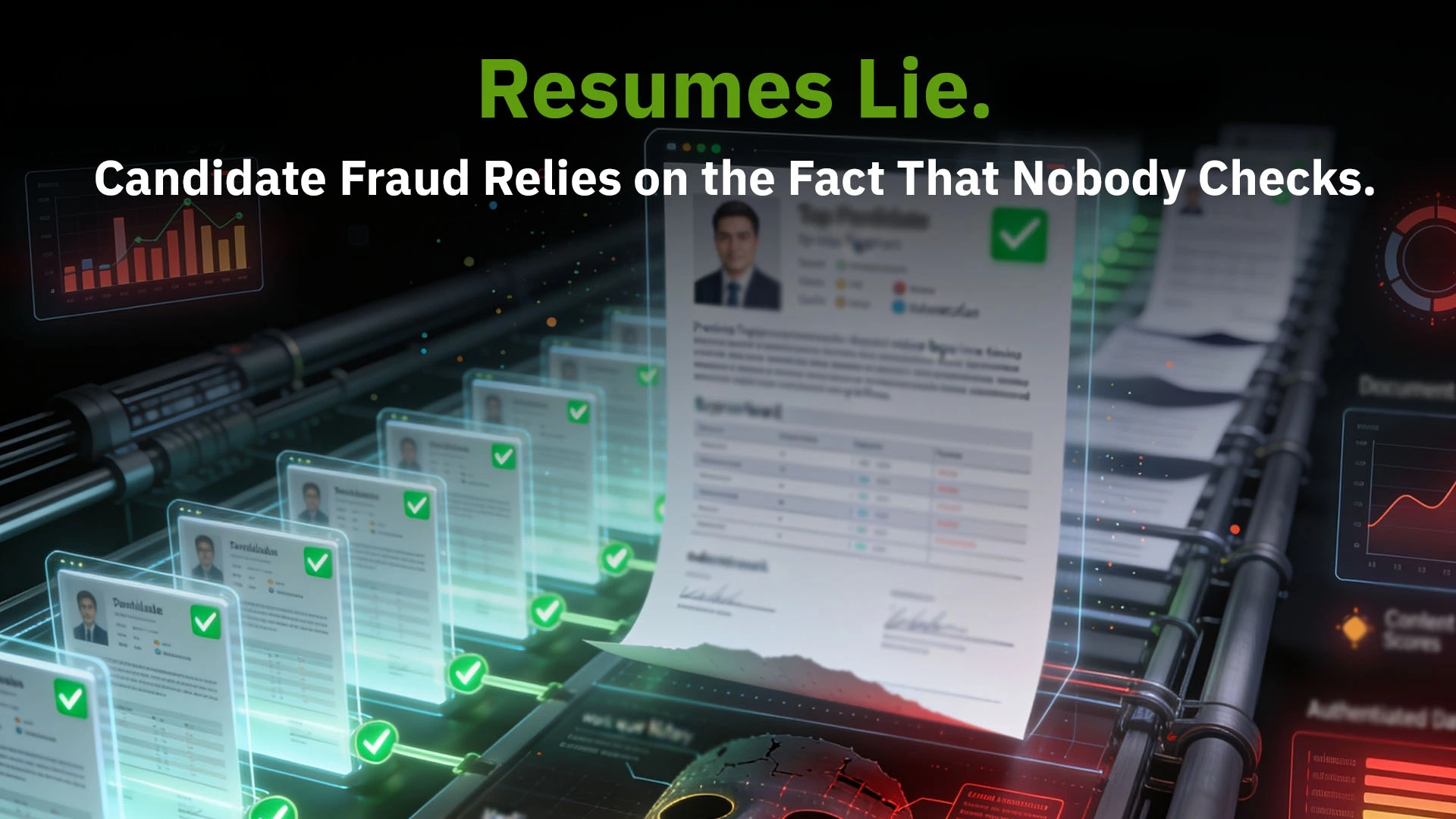
The ATS had scored that candidate at 91%.
This is not an anomaly. Resume lies and sophisticated identity fraud flood the modern hiring market. Recruiters burn expensive hours screening candidates who are essentially ghosts. Clients absorb the cost. And the tools most teams rely on were never built to catch any of it.
Resumes have officially lost their value as a source of truth. Generative AI tools make it effortless to build an impeccable, entirely fabricated professional track record that defeats standard applicant tracking software on the first pass.
A recent Gartner advisory confirms that synthetic profile generation is skyrocketing globally. Reporting from The Guardian and Forbes highlights a dangerous spike in remote candidate scams, where international threat networks use voice cloning and fabricated references to slip straight into Western corporate payrolls. The DOJ charged 14 North Korean nationals in 2024 for running a coordinated fraud scheme that targeted hundreds of U.S. companies. Amazon disclosed it blocked over 1,800 suspected North Korean applicants in a single 20-month window.
Discovering fraud during late-stage onboarding is a catastrophic operational failure. If the front door stays open, security risks and financial waste walk right through it.
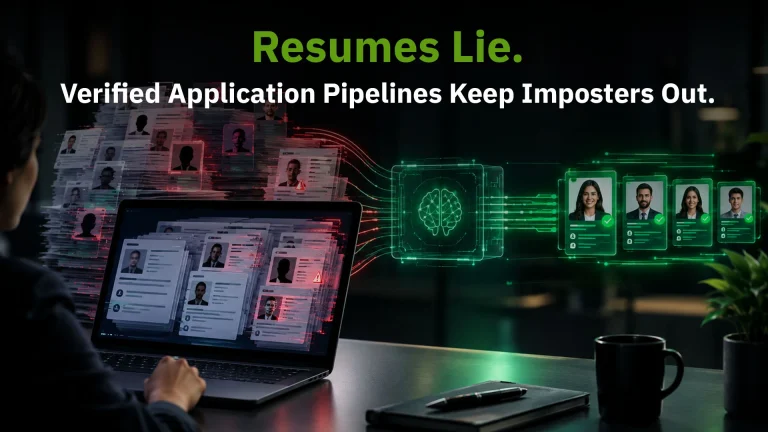
The only viable answer is catching fraud at the top of the funnel, before a single name reaches a recruiter’s desk.
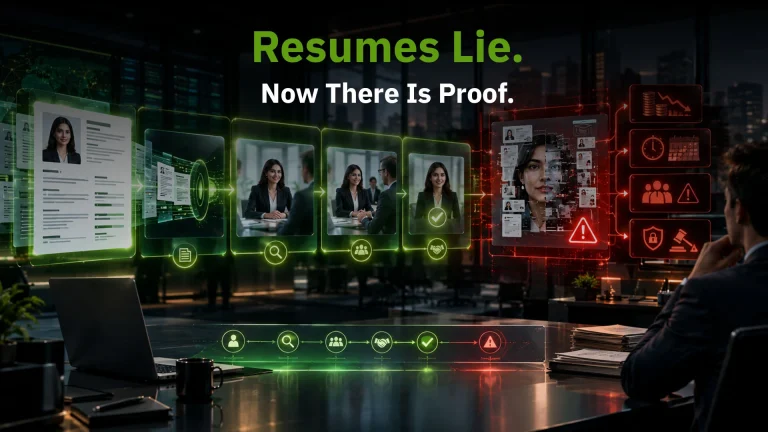
That is where Octagnt operates. The platform builds an ironclad authentication layer directly into the initial submission phase. It verifies that a candidate is genuinely who they claim to be. Separately, it validates that their skills, credentials, and experience are actually real. Two distinct checks. Both non-negotiable. Not self-reported. Not ATS-scored. Actually confirmed.
Twenty-one specialized agents. 106 evaluation points. Nine dimensions. A complete, evidence-backed shortlist delivered inside the existing ATS within 24 hours.
Clients now expect pre-vetted candidates and high-confidence submissions from day one. That standard is not moving backward.
Try a Live Role for Free Now