Your next hire passed every screen. Sharp on the call. Polished resume. What nobody in that hiring loop knew: someone else answered those questions. The person you actually hired showed up Monday, and nothing matched.
That’s proxy interview fraud. And it’s running inside pipelines that have no idea it’s happening.
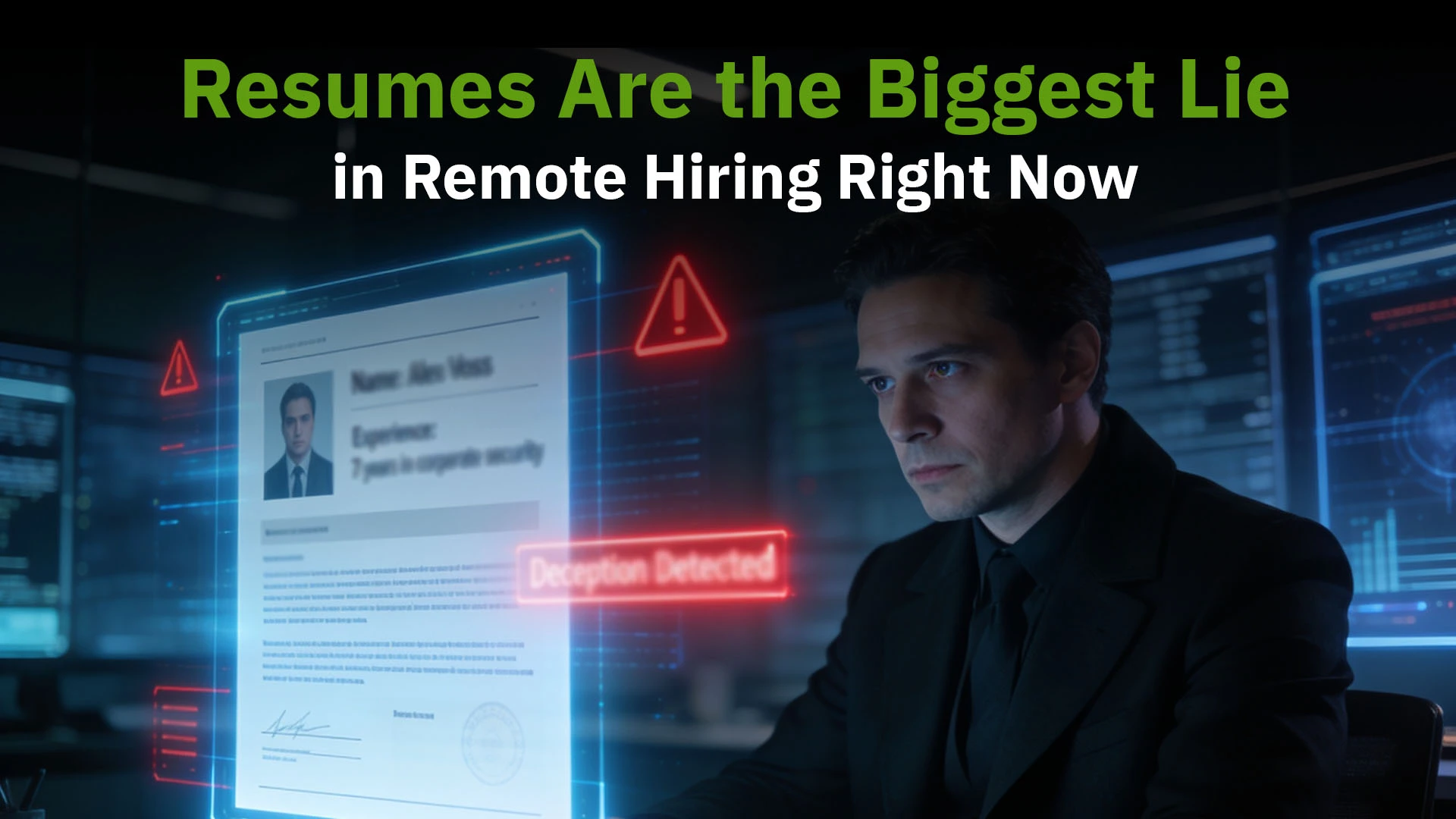
Hiring managers are getting blindsided by a new breed of imposters. Fraudsters use dual screens, real-time audio feeds, and hidden AI assistants to coast through technical screening rounds. Investigations by The Guardian revealed a dramatic rise in remote application scams where deepfakes convincingly simulate human presence. The BBC tracked cases where foreign entities set up localized laptop farms inside the United States to bypass geolocation checks, letting fraudulent workers manipulate system access from thousands of miles away.
The traditional hiring funnel was never designed for coordinated identity deception at this scale. Gartner research predicts that by 2028, 1 in 4 candidate profiles will be fake, as fraud evolves from simple resume exaggeration into full-scale identity fabrication. Forbes reported that standard video calls offer no real protection, because deepfake applications now modify faces and voices in real time, making detection nearly impossible for any human interviewer.
The tools hiring teams currently rely on were built for a different era. They move applications through a funnel. Not one of them was designed to ask whether those applications are real.
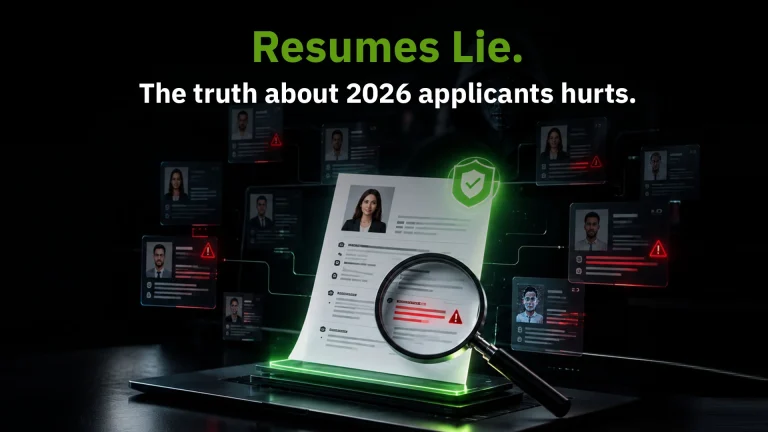
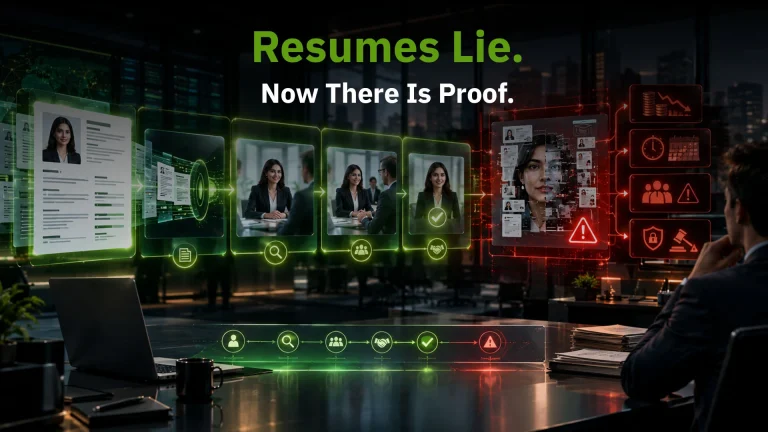
So, in the age of AI where resumes lie, Octagnt catches them at application stage. It’s the evidence layer for hiring.
Octagnt verifies the person is real.
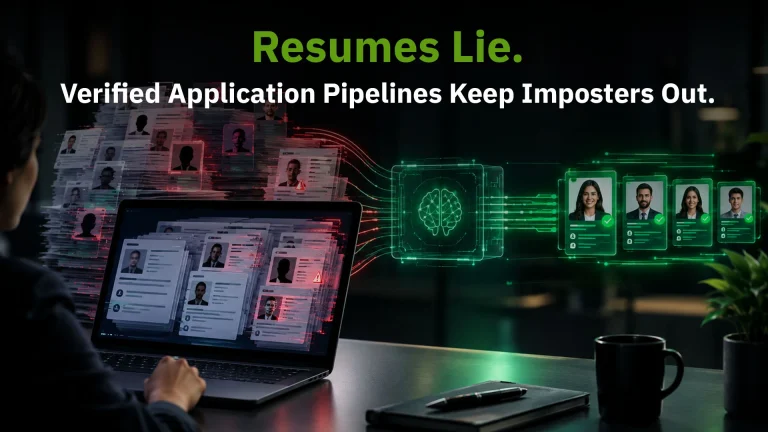
Before a recruiter wastes a second, Octagnt’s D0 Trust Layer filters the noise. It checks emails, cross-references phone data, matches employment history, and runs async voice screening to catch deepfakes or proxies instantly. Fake applicants never make it to step two.
Octagnt validates that every claim on the resume is true.
Once the person clears, Octagnt’s 21-agent intelligence layer runs every resume claim through 106 evaluation vectors across 9 forensic dimensions. It catches inflated dates, fake titles, and hidden red flags that recruiters miss. Everything is documented, delivering a clean shortlist backed by a tamper-proof, SHA-256 sealed audit trail.
Hiring teams are good at their jobs. They have strong instincts. The problem is that instinct alone can’t catch a well-funded, AI-assisted fraud. Octagnt fixes that.
Try a Live Role for Free Now