It was a “unicorn” resume. Perfect pedigree, flawless keywords. I hit ‘Submit’ with total confidence. Ten minutes into the interview, the mask slipped. It wasn’t just a bad hire; it was a prompt-engineered ghost. I nearly lost a decade of client trust in a single afternoon.
In 2026, sourcing isn’t the challenge; verification is.
AI has made it effortless for candidates to generate “perfect” profiles, inflate titles and mirror job descriptions with bot-generated language. For recruiters, this creates a massive reputational risk.
Every time you pass a “paper tiger” to a client, your credibility takes the hit. If the candidate is a fabrication or a keyword-stuffed ghost, you don’t just lose the placement; you lose the trust you’ve spent years building.
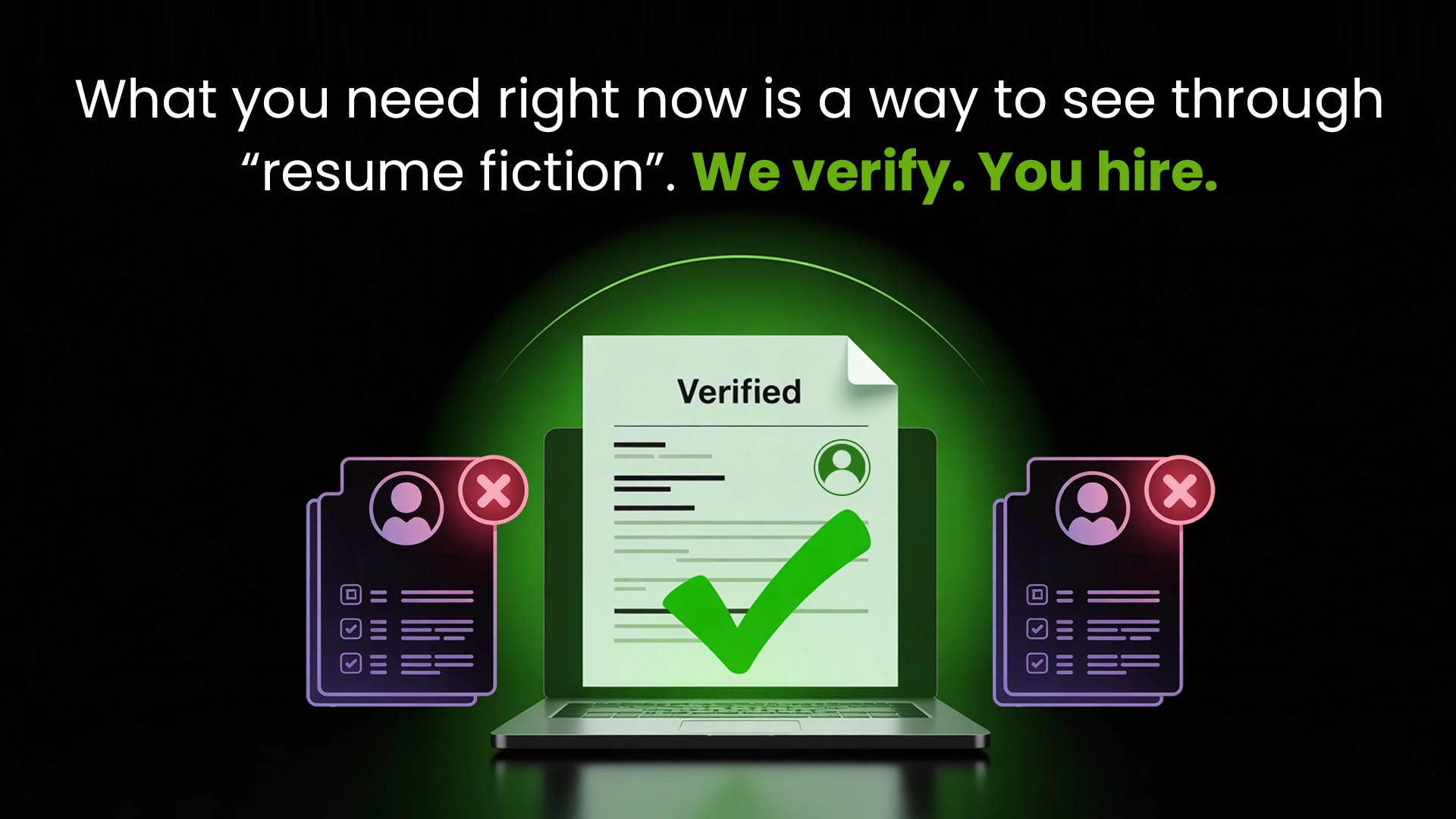
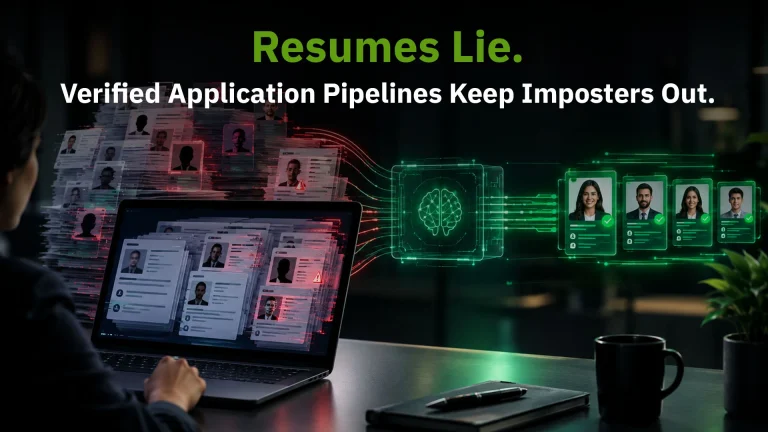
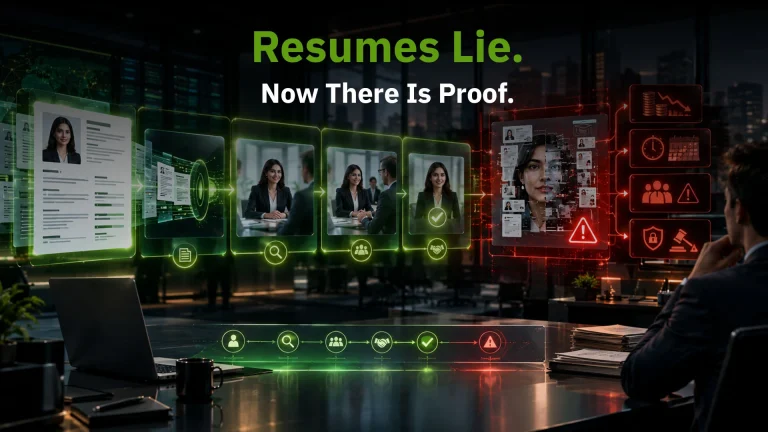
This is why we built Octagnt. We verify and validate the candidates with evidence. We introduce a mandatory trust layer that evaluates resumes for credibility signals before they ever reach your client or hiring manager.
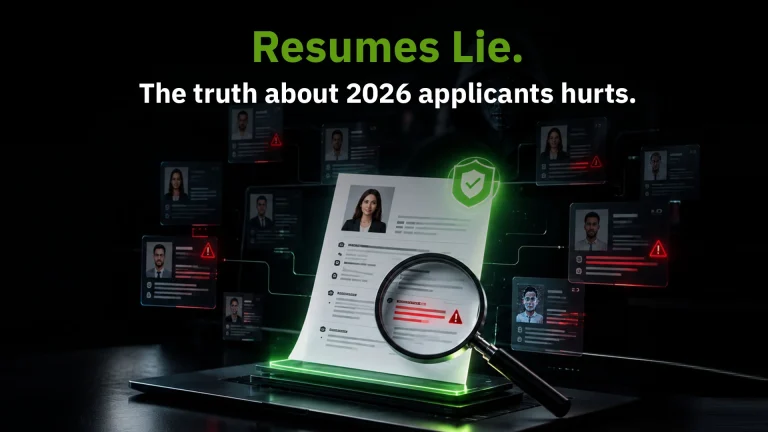
The system flags indicators such as:
- Suspicious career timelines
- Duplicate profiles across databases
- Inconsistent skills claims
- Role inflation or generic AI-generated content patterns
The goal is simple: We remove the noise so that real talent and your reputation remain visible.