A job goes live. By the next morning, 800+ applicants.
It looks like momentum. It’s actually noise.
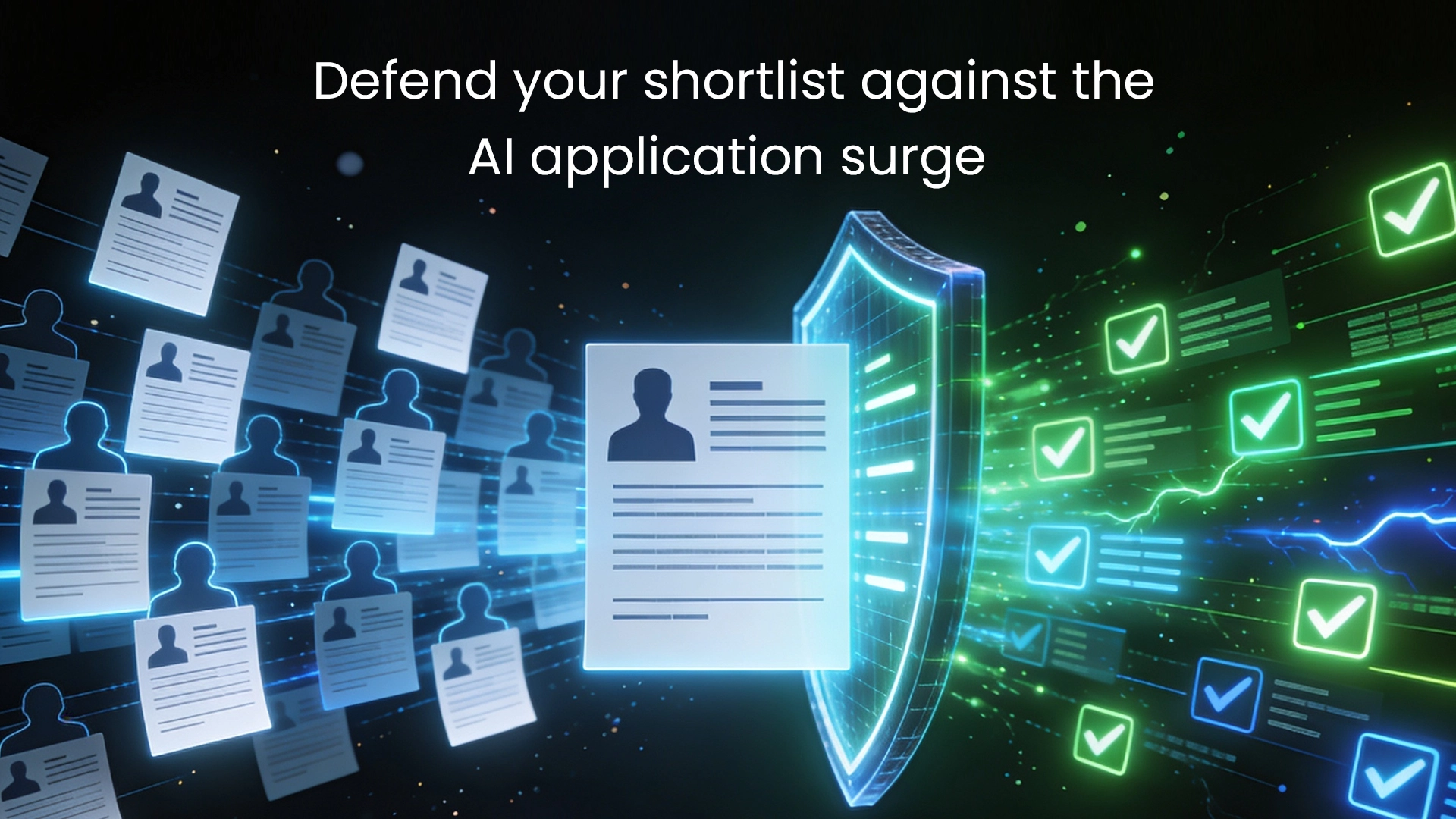
Today’s hiring pipelines are overflowing, but not with clarity. Gartner reports that candidate volume has exploded with the rise of AI-assisted applications. One click. One prompt. Dozens of submissions.
And suddenly, every resume looks qualified.
As Josh Bersin puts it, we are no longer in a talent acquisition phase; we are in an assessment crisis. When everyone looks like a superstar on paper, no one is.
And that breaks trust.
The signal has vanished. Recruiters are left wondering:
- Who’s real?
- Who actually has the skills?
- Who is the real match?
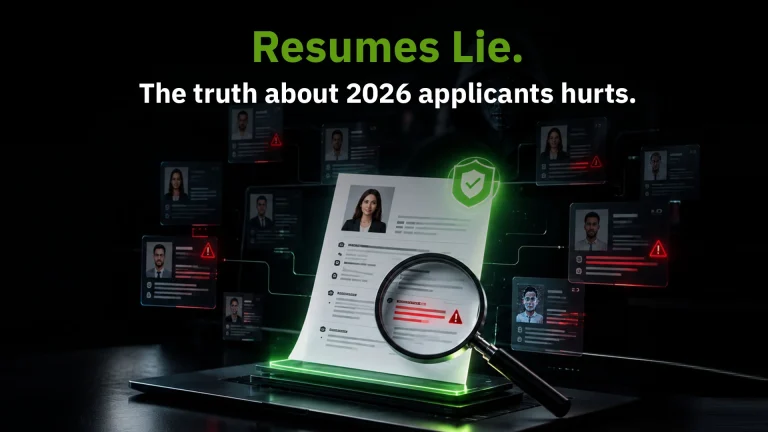
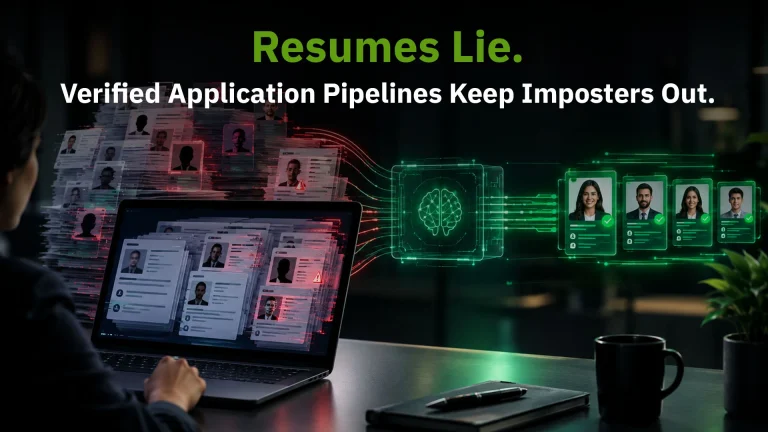
That’s where Octagnt steps in. Not to scan resumes, but to verify and validate what’s behind them.
Because in 2026, the question isn’t “How many applicants did this role get?” It’s “How many of them can actually be trusted?”
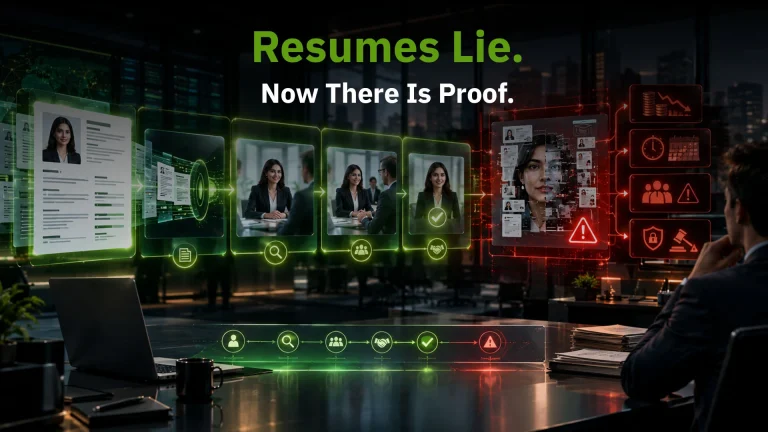
Octagnt restores that trust. We provide a forensic sanity check that catches what the human eye misses in a pile of a thousand PDFs. In under 24 hours, we verify identity, validate skills, and track career trajectories with an immutable audit trail.
A recruiter’s reputation is built on the quality of the shortlist. Deliver a shortlist that is defensible and stands up to scrutiny.
Try a Live Role for Free Now